Kubernetes Network Cost Optimization: Reduce Transfer
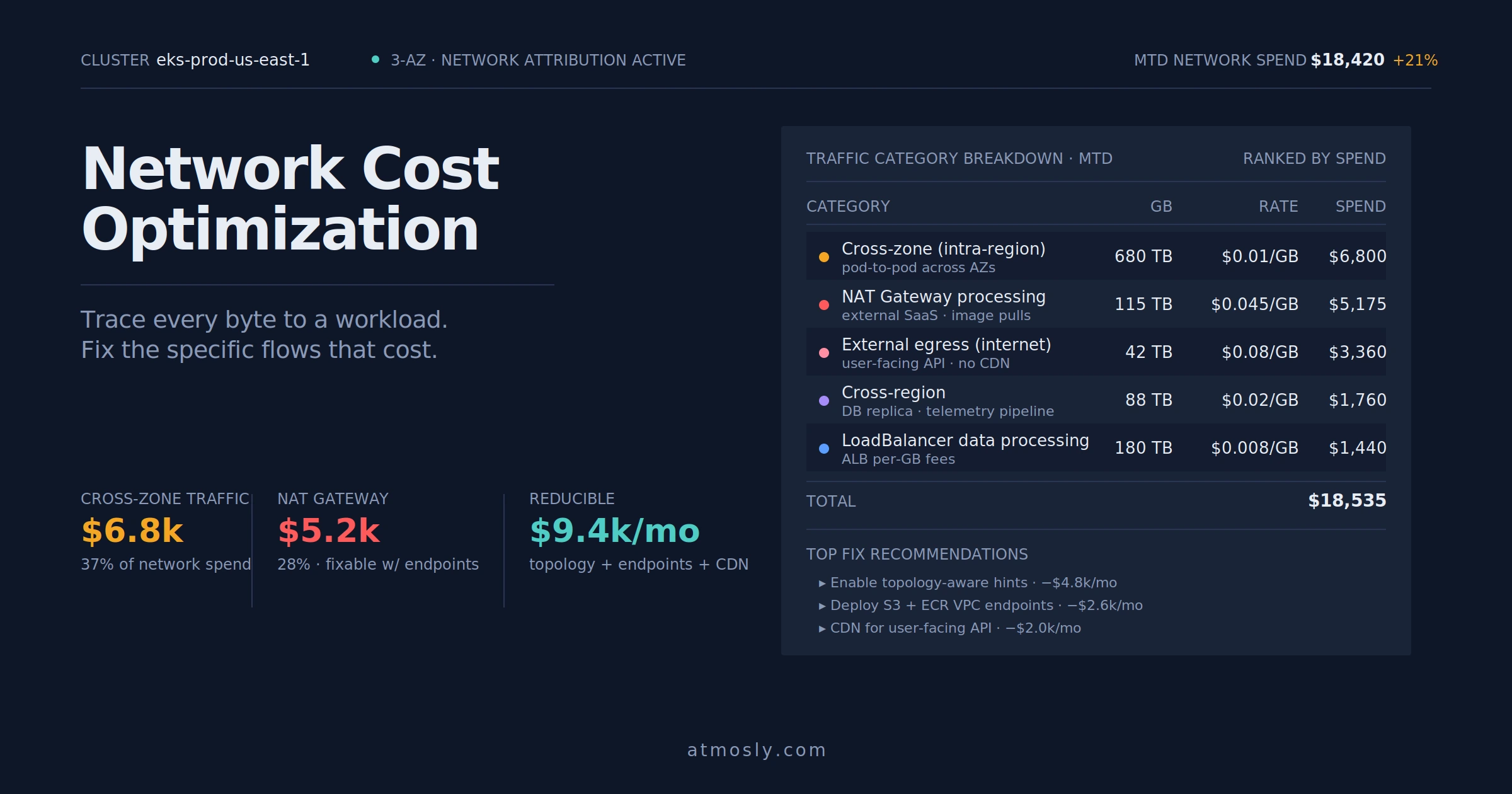
Cut Kubernetes network costs — cross-zone egress, NAT Gateway charges, and inter-region traffic patterns engineers can fix.

Field notes on running Kubernetes with less toil — AI SRE and incident response, CI/CD and golden paths, continuous security, cost, and the internal developer platform that ties them together.
 Featured
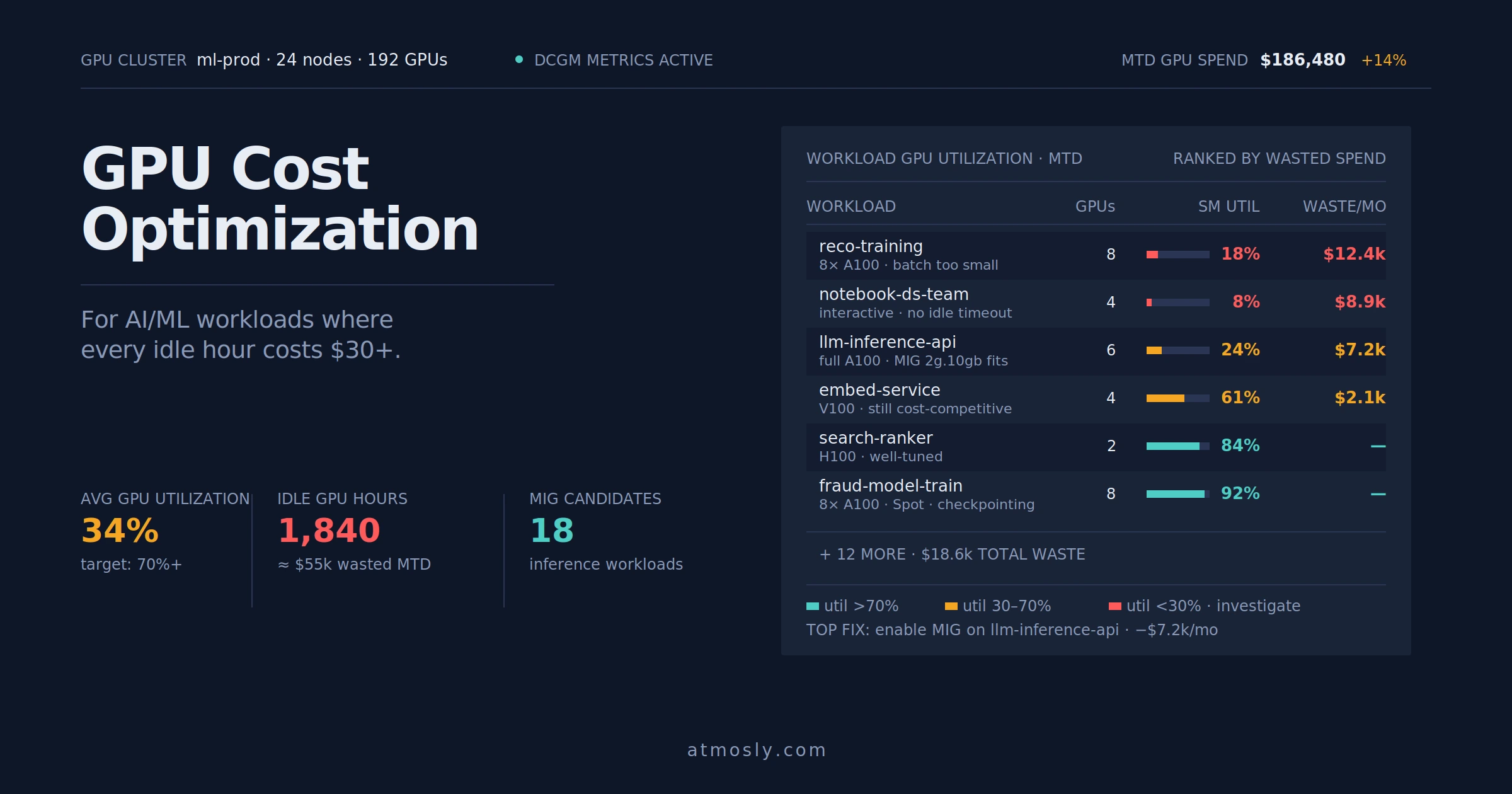
Reduce Kubernetes GPU costs for AI/ML workloads — rightsizing, utilization, scheduling, and MIG partitioning.
 Kubernetes
Cut Kubernetes network costs — cross-zone egress, NAT Gateway charges, and inter-region traffic patterns engineers can fix.
 Kubernetes
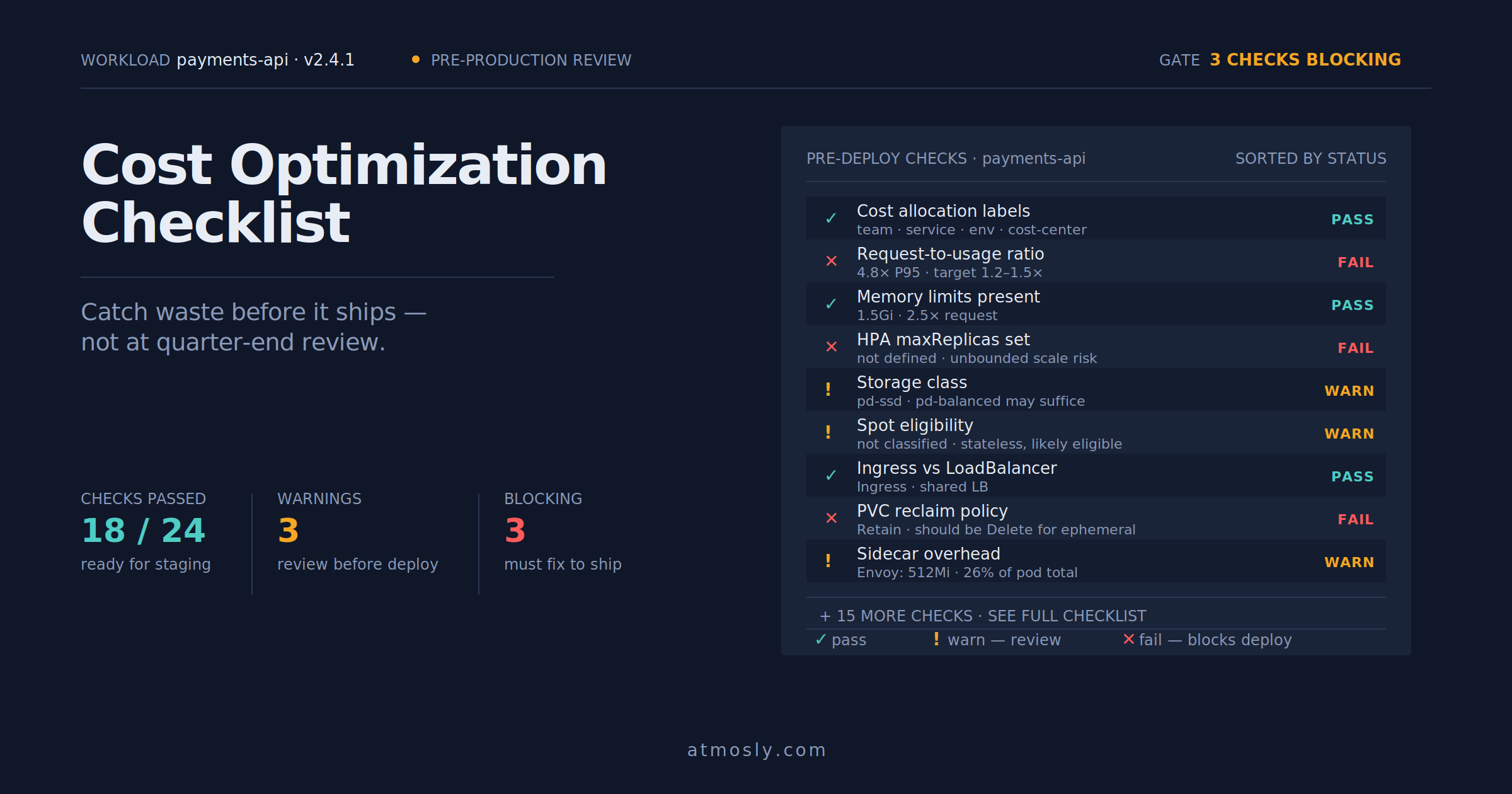
A pre-production Kubernetes cost checklist that catches waste before it ships instead of after finance asks.
 Kubernetes
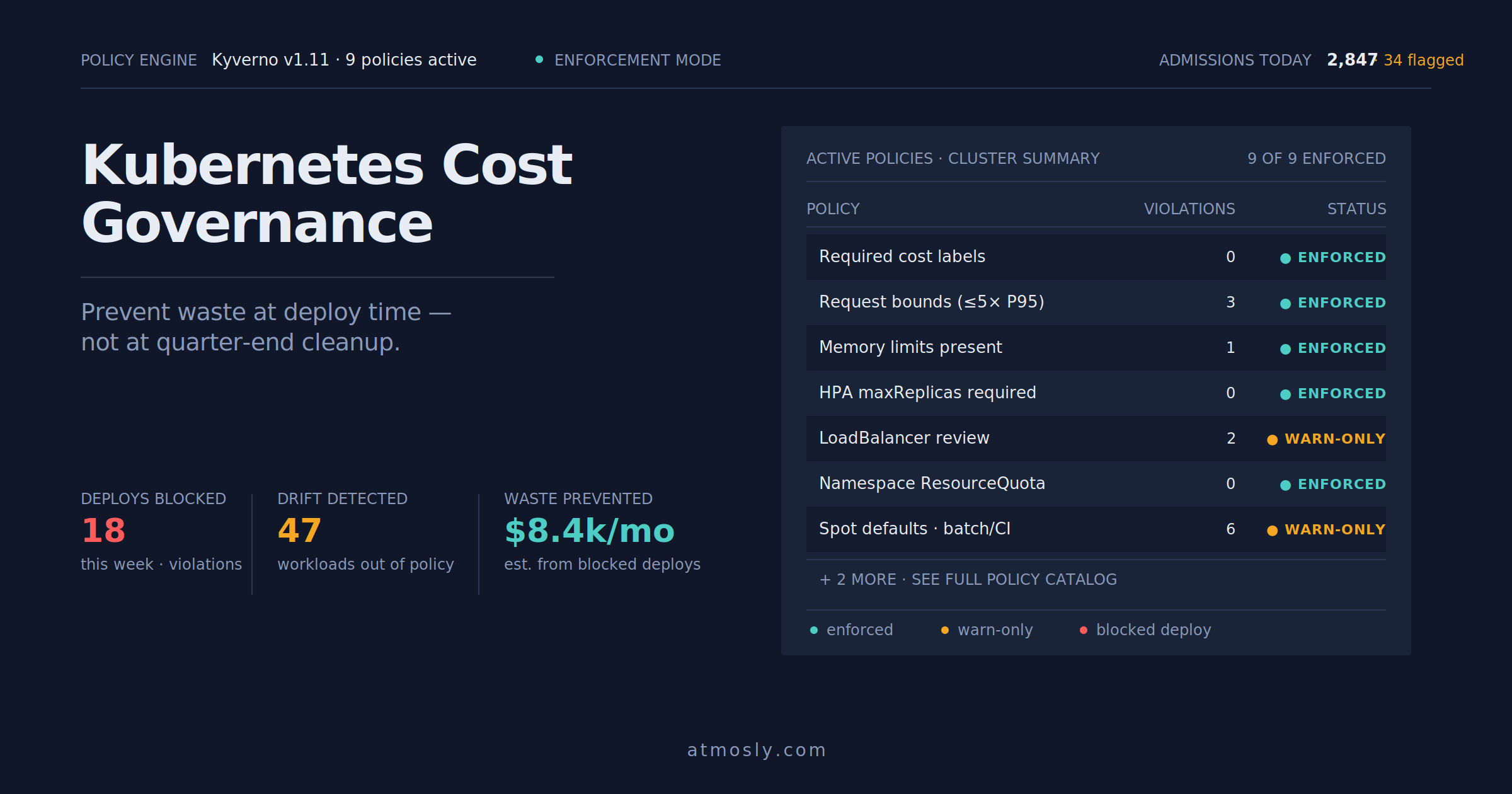
Cost policies every platform team should enforce to prevent Kubernetes waste before it lands in production.
 Kubernetes
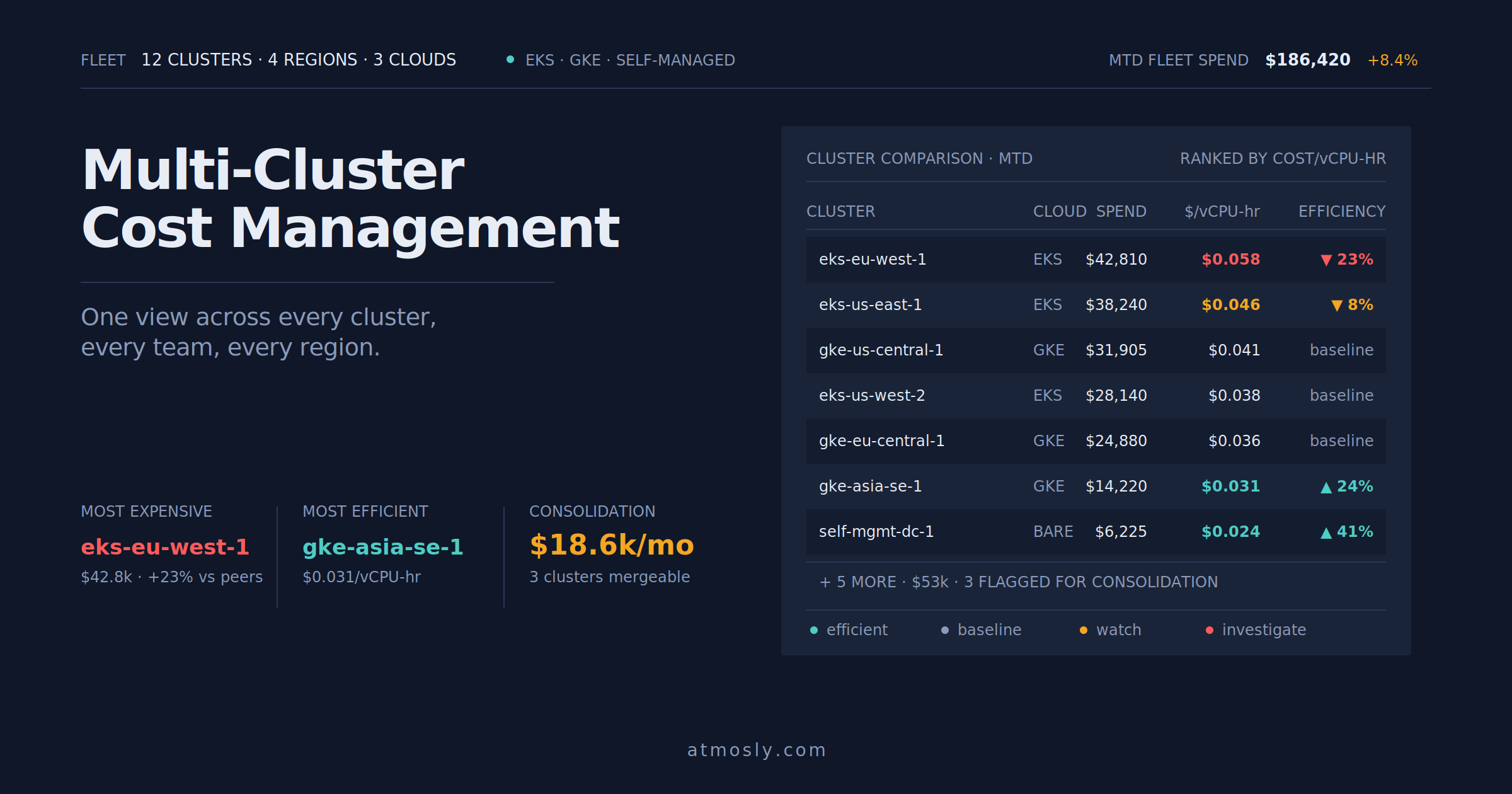
Track, allocate, and compare costs across multiple Kubernetes clusters — fleet visibility that actually helps teams decide.
 Kubernetes
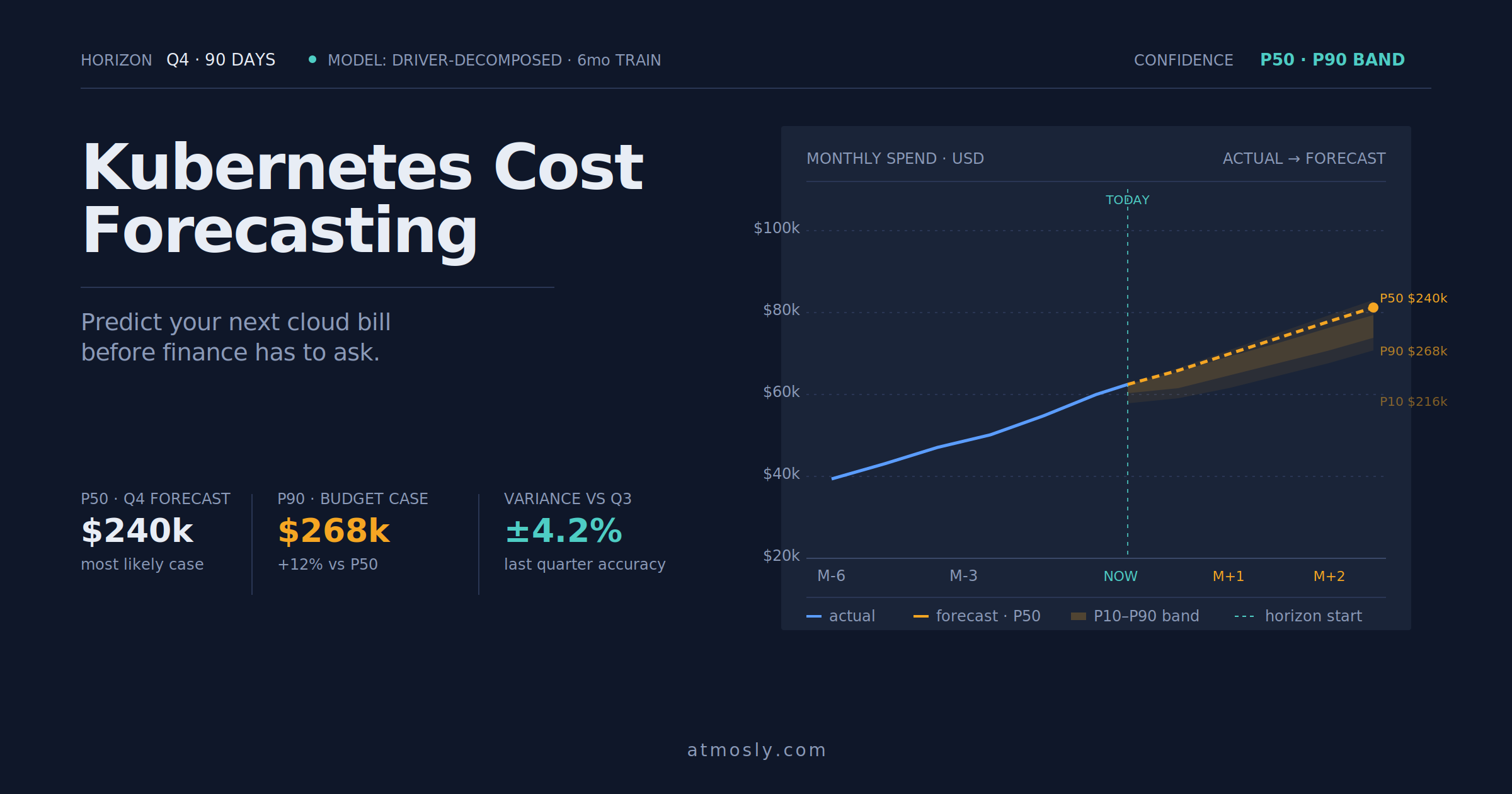
How to forecast Kubernetes cloud costs, avoid budget surprises, and give finance a number you can actually defend.
 Kubernetes
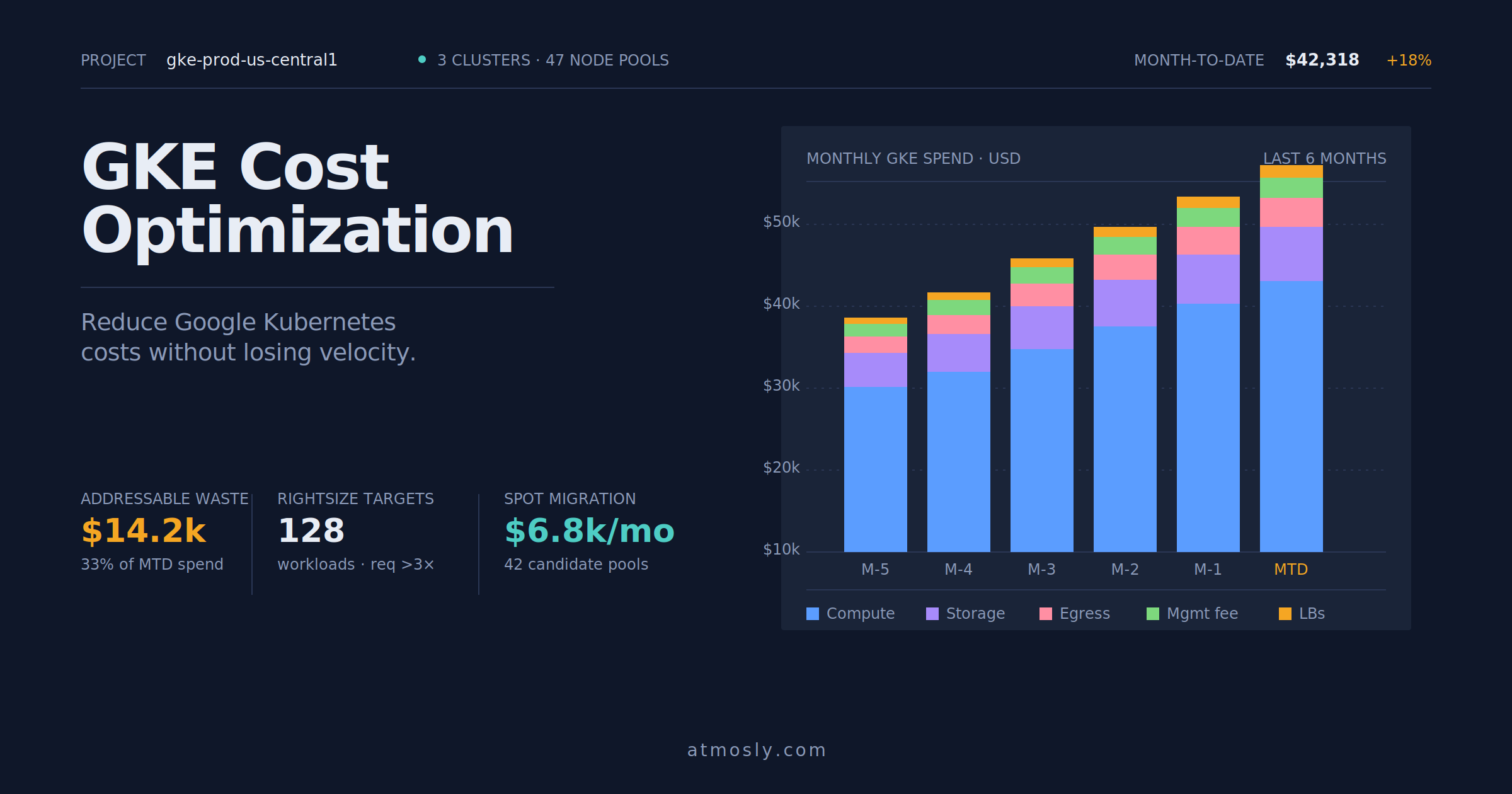
Practical GKE cost optimization guide — rightsizing, Spot VMs, storage tiering, and network egress control for engineers.
 Kubernetes
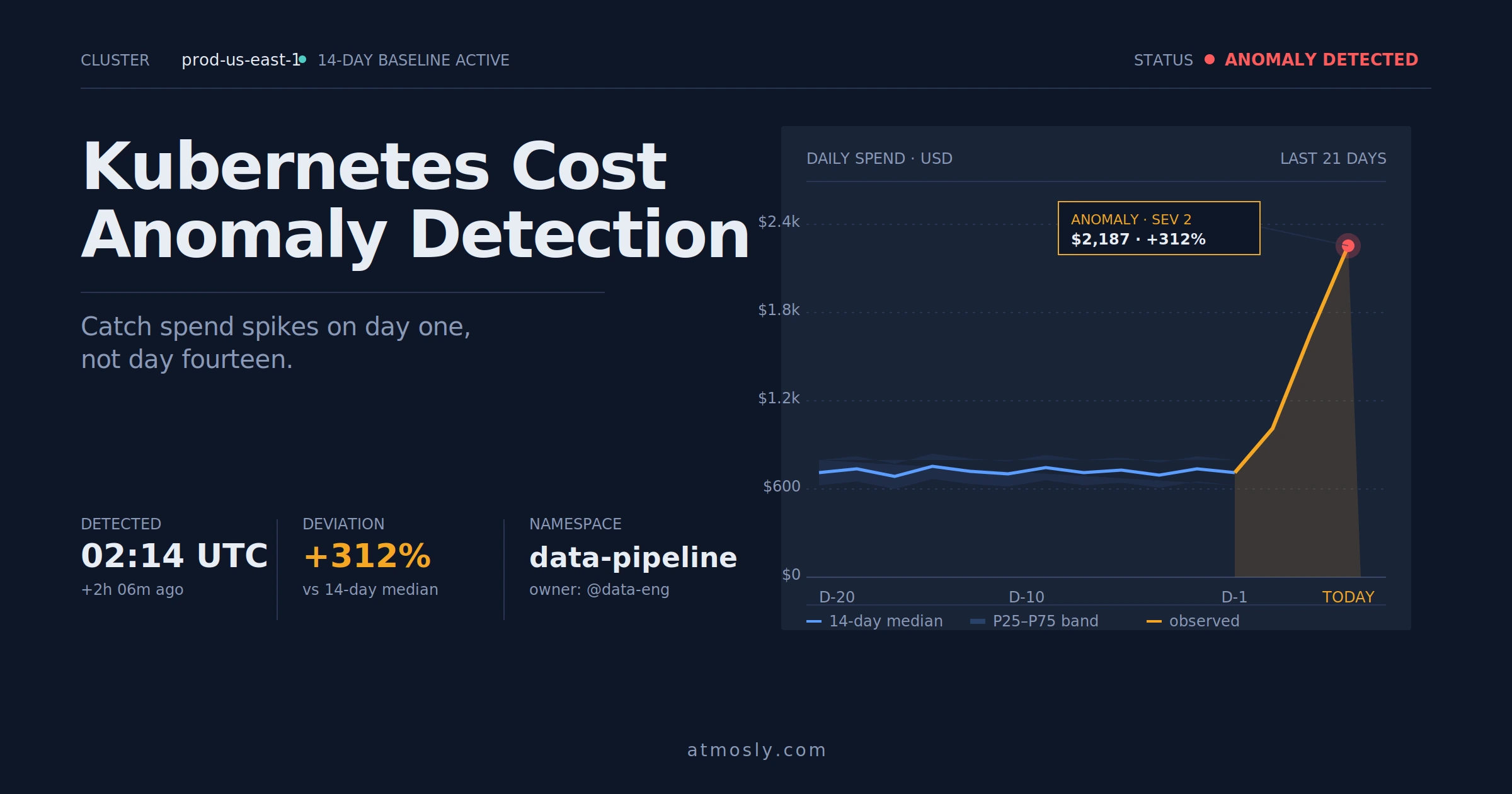
How to detect Kubernetes cost anomalies early, investigate spend spikes, and stop budget surprises before they hit the bill.
 AI SRE
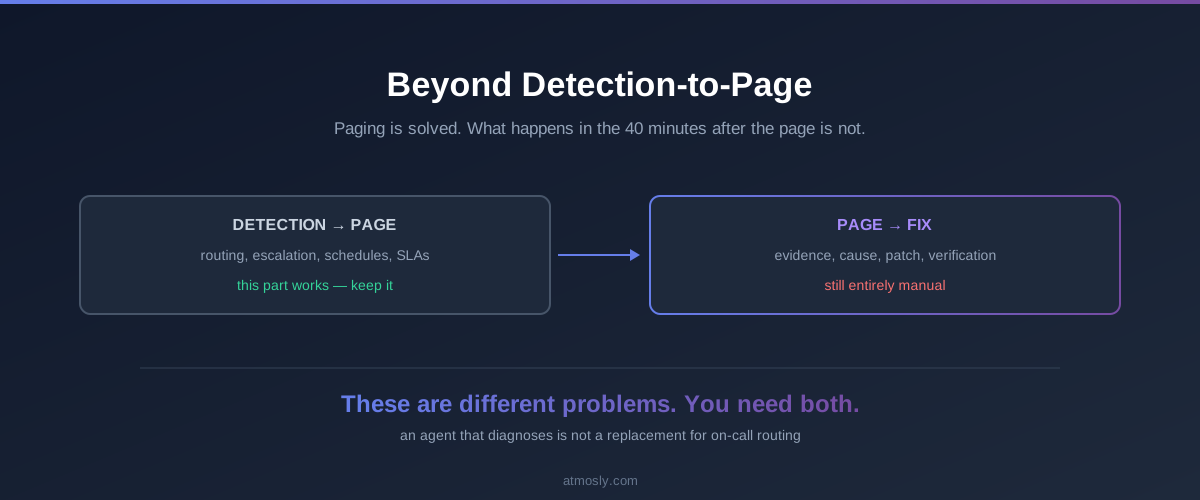
PagerDuty solves getting the right human awake. It does not solve what that human does next, which is where nearly all incident time goes. This covers the split between routing and diagnosis, what actually belongs in each layer, and why replacing your pager is the wrong move.
 AI SRE
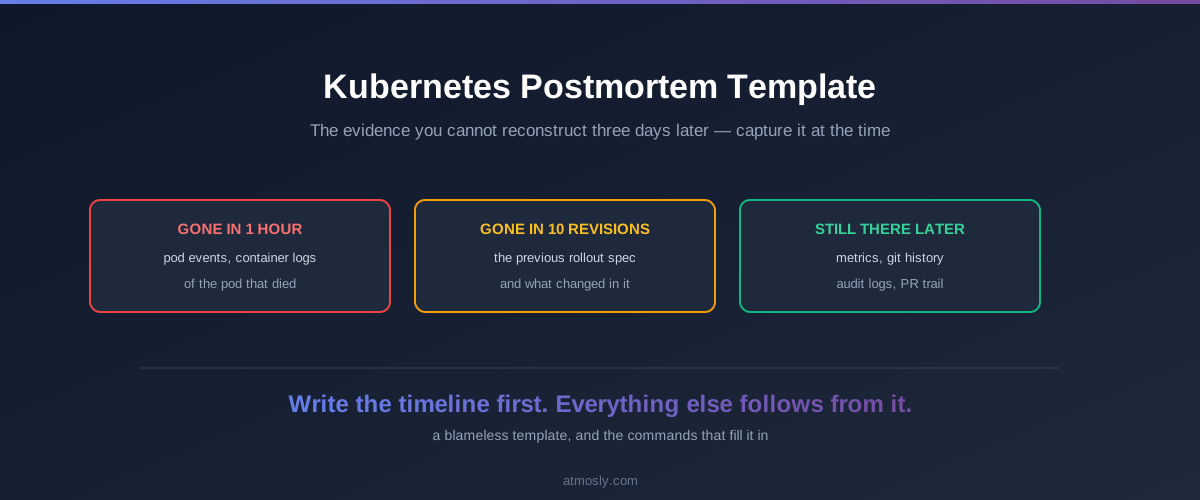
Half the evidence a Kubernetes postmortem needs is gone within an hour of the incident. Here is a template you can copy, the commands that capture the perishable data while it still exists, and the rewrite rule that keeps causes blameless.
 AI SRE
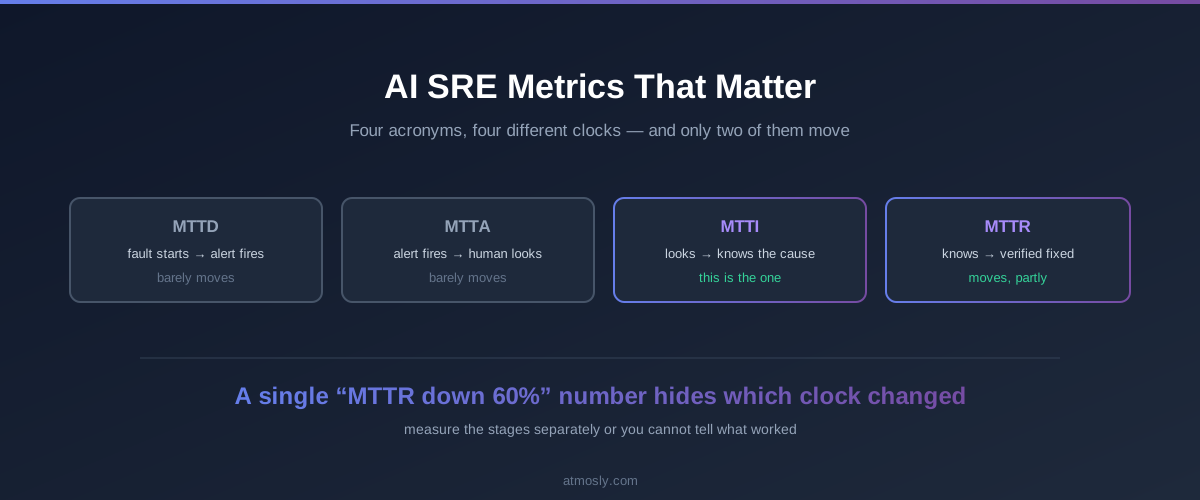
Adding an AI agent to incident response moves two of the four standard clocks and barely touches the other two. This defines each incident metric with its formula, shows which ones genuinely change, and gives the questions that deflate an impressive-looking dashboard.
 AI SRE
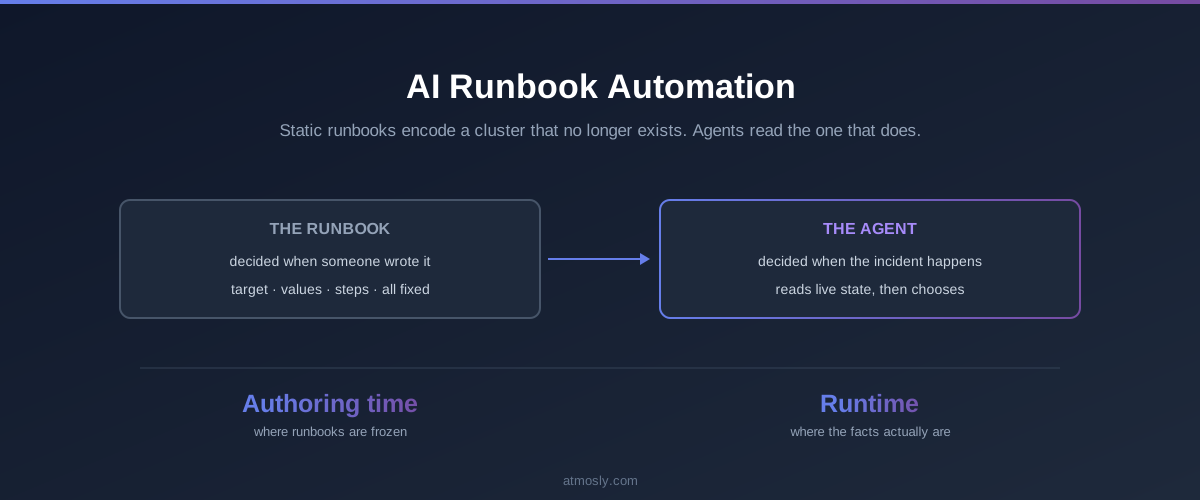
A runbook is a snapshot of a cluster taken on the day someone wrote it. Clusters change weekly and snapshots do not. This is what actually rots, what AI runbook automation replaces it with, and the cases where a written runbook is still the right answer.
Connect a cluster read-only and see your incidents, spend, and deploys in one place — in minutes. Free, no sales call.