Multi-Cluster Kubernetes Cost Management Best Practices
Track, allocate, and compare costs across multiple Kubernetes clusters — fleet visibility that actually helps teams decide.

Atmosly is Kubernetes security posture management (KSPM): it scans every connected cluster against CIS, NSA, PCI DSS, SOC 2, and HIPAA — continuously. It catches drift the moment your security posture regresses, and generates the evidence pack auditors actually ask for. Compliance becomes a dashboard you watch, not a fire drill you survive.
Continuous Kubernetes security posture management on every connected cluster — compliance automation, not a point-in-time snapshot that's stale by lunchtime. A live security posture you can watch, and evidence you can hand to an auditor on demand.
RBAC, network policy, pod security, secrets, and images — checked continuously against every framework you care about, on every cluster, without you scheduling a thing.
Configuration drifts — a new binding, a relaxed policy, a fresh namespace without isolation. Atmosly compares posture across every connected cluster and flags the regression, with the cause attached, before it lands in an audit finding.
When the audit comes, the artifact is already built: control coverage, check results, and remediation history per framework — exported on demand, not assembled by hand over a frantic week.
The container security and cluster security checks that turn a cluster from "probably fine" into a security posture you can prove — and defend.
CIS, NSA Kubernetes Hardening, PCI DSS, SOC 2, and HIPAA — each scored continuously, per cluster.
Surfaces over-broad role bindings and service accounts before they become the breach path.
Flags namespaces without isolation and risky ingress/egress paths across the cluster.
Catches privileged containers, hostPath mounts, and dangerous capabilities at admission and at rest.
Image vulnerability scanning for known CVEs plus registry-trust checks, so what runs in the cluster is what you vetted.
One-click evidence pack with control coverage and remediation history, accepted by auditors.
Connect one cluster read-only and you'll have a full Kubernetes security posture — CIS, PCI DSS, SOC 2 and more, with the privileged pods, missing policies and broad RBAC — on your dashboard in about five minutes. No agent to babysit, no sales call.
| Name ⌕ | Category ⌕ | Status ▾ | Failed Count | Passed Count | Risk ▾ | Evaluated against ▾ | |
|---|---|---|---|---|---|---|---|
| Check if signature exists | Workload | Failed | 39 | 10 | High | Armo | View More |
| Enforce network policies | Network | Failed | 05 | 12 | High | SOC 2 | View More |
| Restrict privileged containers | Access Control | Failed | 11 | 03 | Medium | MITRE | View More |
Compliance automation and continuous security posture management, measured — here's what changes when the scanning, drift detection, and evidence all run themselves.
Representative of customer-reported outcomes. Your results depend on cluster count and current posture.
An incident, a security finding, and a cost change are the same story — surfaced in one UI, with one audit trail and one permissions model.
 Kubernetes
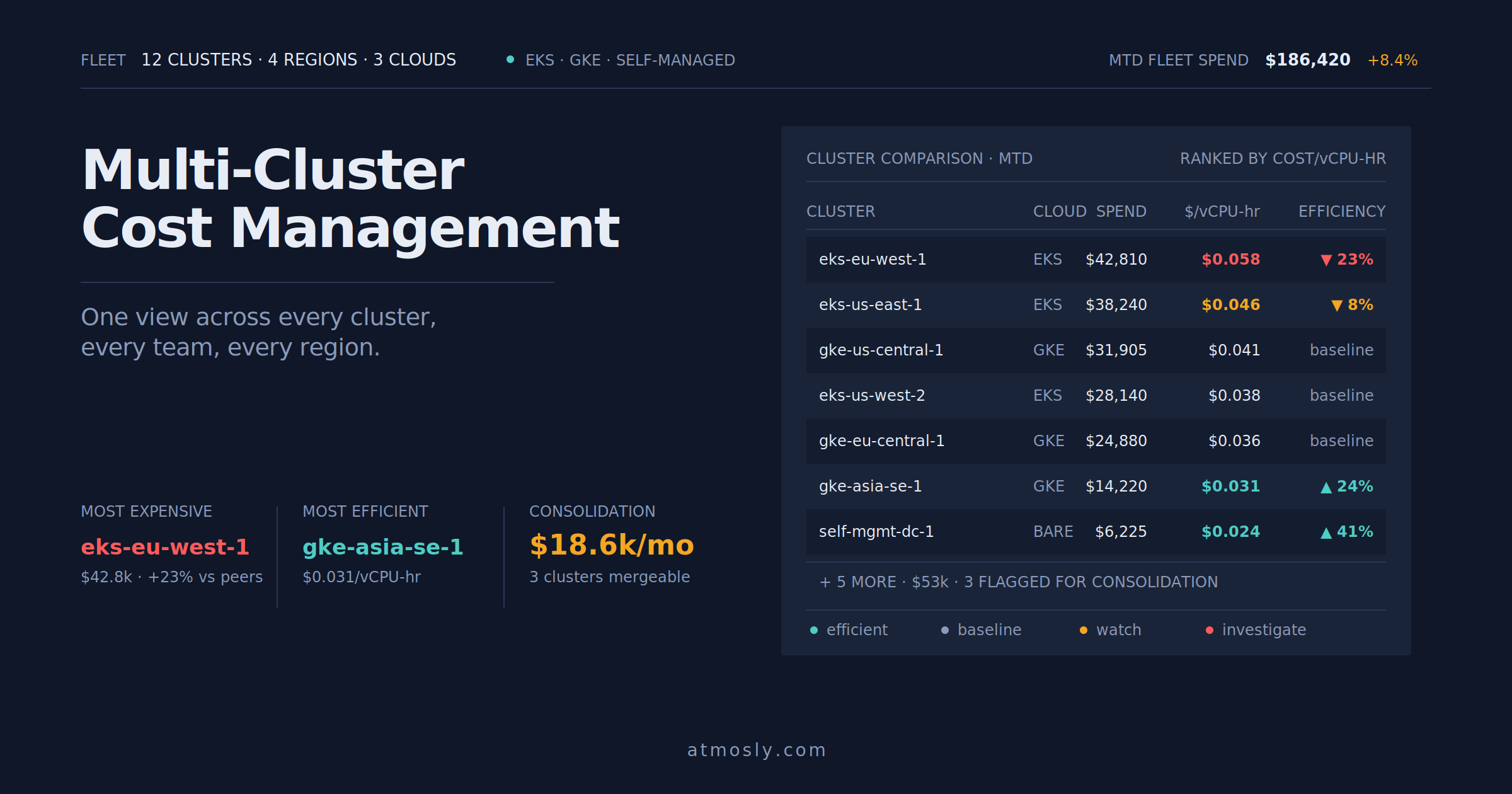
Track, allocate, and compare costs across multiple Kubernetes clusters — fleet visibility that actually helps teams decide.
 Kubernetes
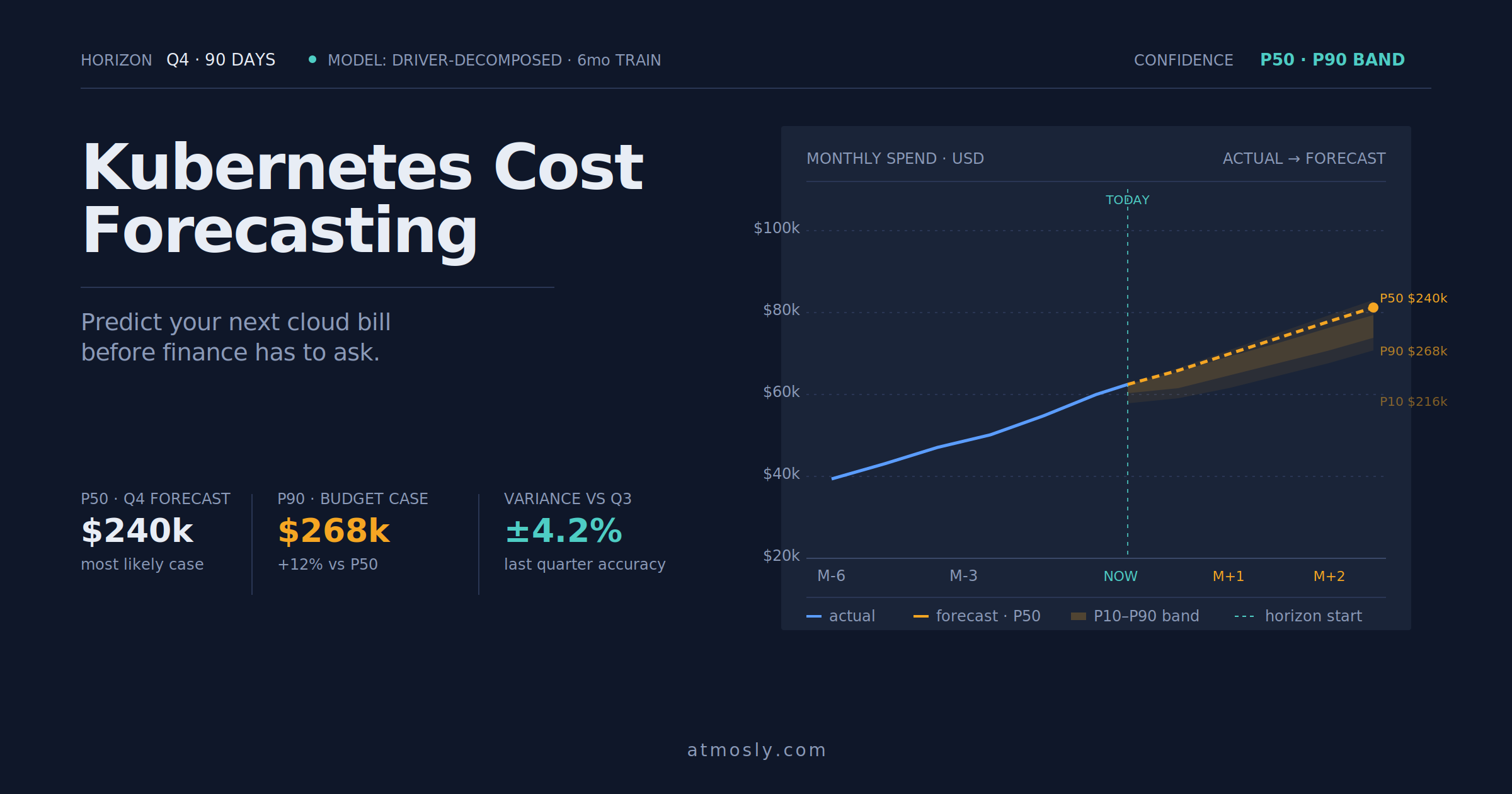
How to forecast Kubernetes cloud costs, avoid budget surprises, and give finance a number you can actually defend.
 Kubernetes
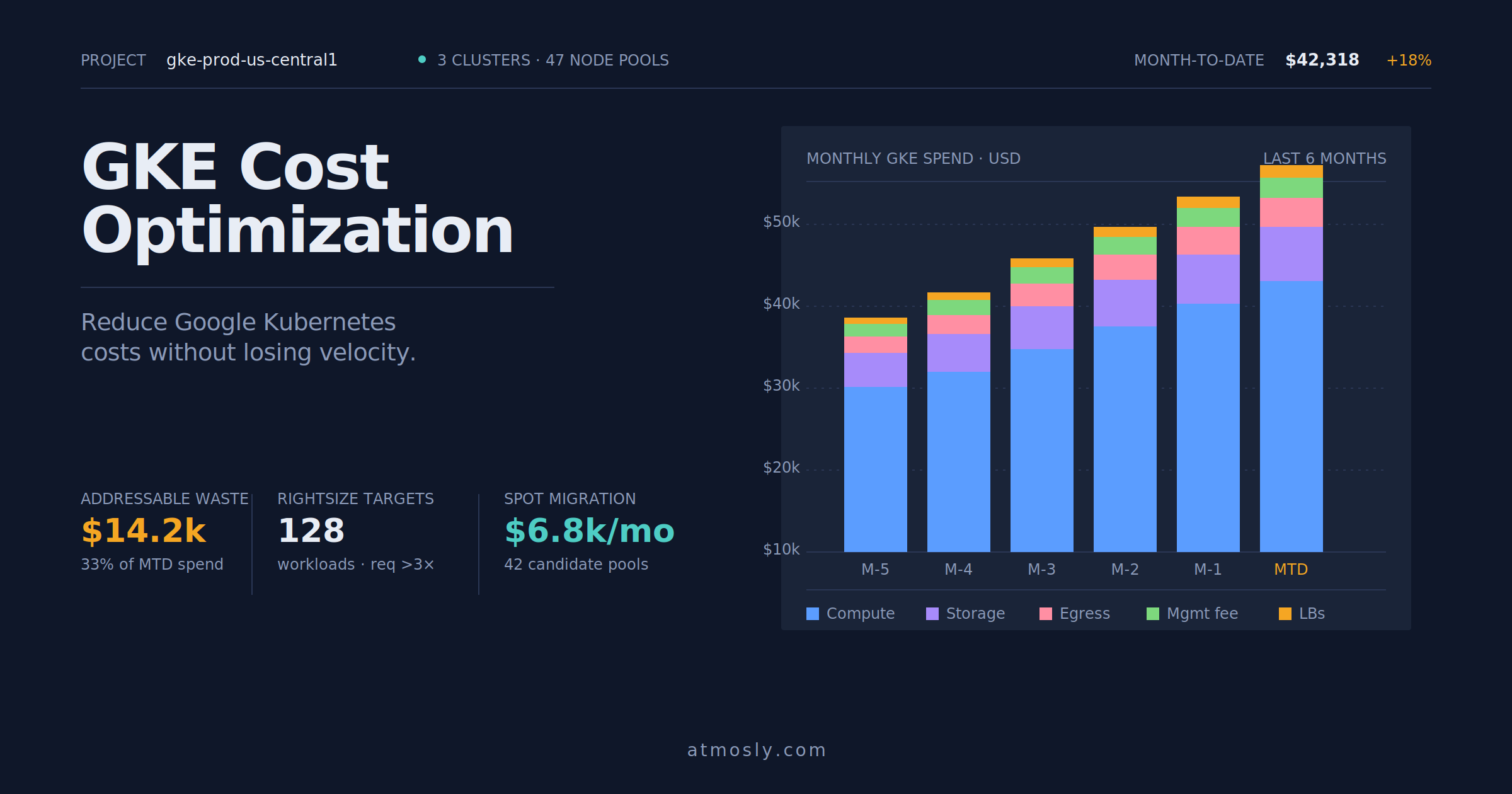
Practical GKE cost optimization guide — rightsizing, Spot VMs, storage tiering, and network egress control for engineers.
Connect one cluster, read-only. Your posture across CIS, PCI DSS and SOC 2 — plus the privileged pods, missing policies, and broad RBAC — shows up on your dashboard in about five minutes. Free, no sales call.