Resources Blog
Blog

Platform engineering, in the open.

Field notes on running Kubernetes with less toil — AI SRE and incident response, CI/CD and golden paths, continuous security, cost, and the internal developer platform that ties them together.

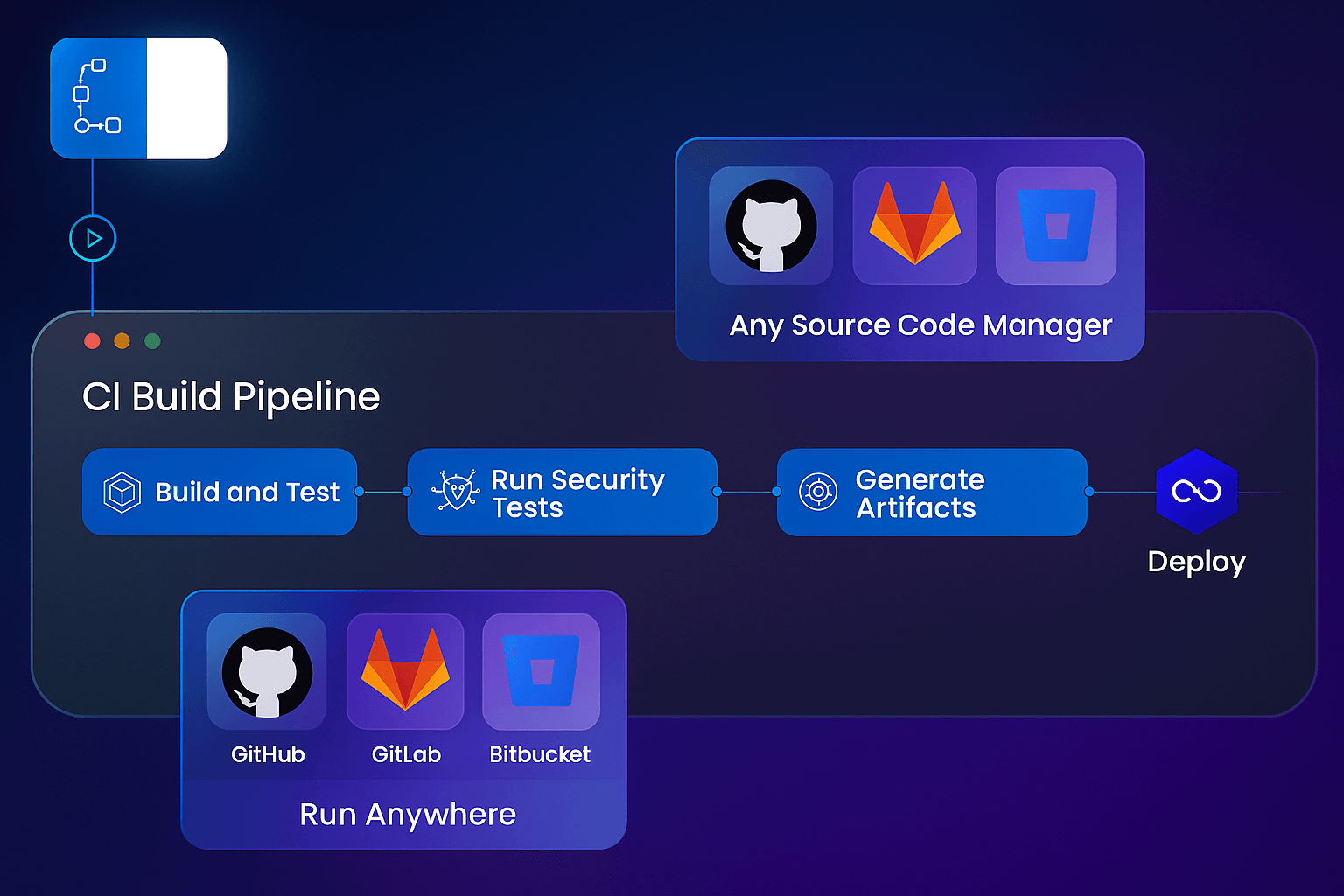
Python CI/CD Pipeline Mastery: A Complete Guide for 2026ci-cd-pipeline

Python CI/CD Pipeline Mastery: A Complete Guide for 2026

Building a reliable CI/CD pipeline is essential for every Python developer in 2026. Learn how to automate builds, testing and deployments with modern tools like Atmosly's visual workflow builder. From virtual environments to DevSecOps integration, this guide helps you streamline delivery and scale confidently.

Best Open-Source Kubernetes Security Tools (2026)General

Best Open-Source Kubernetes Security Tools (2026)

How to secure Kubernetes environments using top open-source tools like Trivy, Kyverno, and Kubescape, with practical insights on integrating them through Atmosly for streamlined DevSecOps workflows.

Docker vs Kubernetes: What to Use & WhenGeneral

Docker vs Kubernetes: What to Use & When

Docker handles how you build containers; Kubernetes manages how you run them at scale — and Atmosly bridges both by offering a seamless, self-service DevOps platform for modern cloud-native deployments.

Why Kubernetes is the Best Infrastructure for SaaS Companies in 2026kubernetes

Why Kubernetes is the Best Infrastructure for SaaS Companies in 2026

Kubernetes offers SaaS companies a scalable, secure, and cost-efficient infrastructure solution, enabling seamless multi-tenancy, CI/CD integration, and enhanced observability, all while reducing vendor lock-in and ensuring compliance.

Master Multi-Cloud SaaS Delivery on Kubernetes in 2026kubernetes

Master Multi-Cloud SaaS Delivery on Kubernetes in 2026

Master multi-tenant SaaS delivery on Kubernetes with a unified control plane that automates onboarding, config management, observability and compliance across any cloud — improving speed, security and operational consistency.

Simplify Kubernetes Management with Atmoslykubernetes

Simplify Kubernetes Management with Atmosly

This guide explains how Atmosly simplifies Kubernetes management by automating operations, enhancing security, optimizing costs and unifying multi-cloud control — making it easier for teams to run scalable, secure and efficient infrastructure.

Amazon EKS Auto Mode: Simplifying Kubernetes Managementkubernetes

Amazon EKS Auto Mode: Simplifying Kubernetes Management

Amazon EKS Auto Mode transforms Kubernetes management by automating cluster operations, add-ons and scaling — freeing teams from manual overhead. Learn how it compares to EKS Fargate, explore pricing and best practices, and see how Atmosly takes EKS automation further with intelligent scaling and cost visibility.

How AI is Revolutionizing DevOps Automation: The Future of Intelligent Workflowsai-revolution

How AI is Revolutionizing DevOps Automation: The Future of Intelligent Workflows

This blog explores how AI is transforming DevOps automation by addressing challenges like alert fatigue, infrastructure drift, deployment inefficiencies, and security vulnerabilities, while paving the way for intelligent, self-healing, and autonomous DevOps workflows. It also highlights how platforms like Atmosly are innovating in this space with AI-driven solutions.

Kubernetes NodePort vs LoadBalancer vs Ingress: Key Differences & Best Practiceskubernetes

Kubernetes NodePort vs LoadBalancer vs Ingress: Key Differences & Best Practices

Choosing the right way to expose services in Kubernetes is essential for reliability, cost control and security. This guide explains the differences between ClusterIP, NodePort, LoadBalancer and Ingress — when to use each, real YAML examples, and production best practices for retention, HA and routing. You'll also learn how Atmosly removes YAML complexity by provisioning ClusterIP or public LoadBalancer + Ingress automatically, handling SSL termination, routing and health checks from the UI.

How to Cut Kubernetes Costs: 9 Strategies That Actually WorkGeneral

How to Cut Kubernetes Costs: 9 Strategies That Actually Work

A practitioner's playbook for cutting Kubernetes costs — nine strategies in order of return, from deleting orphaned resources and enabling free VPC endpoints through to p95 right-sizing, node consolidation and spot adoption, with the commands and config for each.

Kube Prometheus Stack-A Comprehensive Guide for Kubernetes Monitoringkubernetes

Kube Prometheus Stack-A Comprehensive Guide for Kubernetes Monitoring

Monitoring Kubernetes effectively requires the right tools. The Kube Prometheus Stack simplifies observability by combining Prometheus, Grafana, and Alertmanager into one scalable monitoring solution. In this guide, learn how to install, configure, and optimize it using Helm or automate it completely with Atmosly for Day-0 monitoring.

From Local Code to Cloud Deployment: A Complete Guidedeployment

From Local Code to Cloud Deployment: A Complete Guide

Manually moving your app to the cloud is slow and error-prone. This guide shows how to automate it in minutes.

Less reading about toil. Less toil.

Connect a cluster read-only and see your incidents, spend, and deploys in one place — in minutes. Free, no sales call.

Connect your cluster → See the platform